Account Reconciliation Controls: Ownership, Evidence and Exception Handling
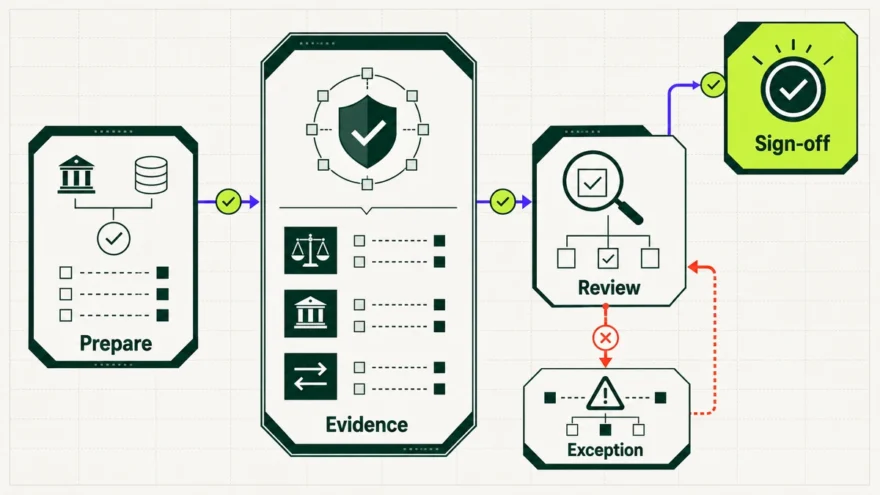
A practical operating standard for controllers to assign roles, define sufficient evidence, govern aged items and close exceptions without weakening sign-off.
Clear explanations, practical guides and comparisons for the decisions finance teams make.
A practical operating standard for controllers to assign roles, define sufficient evidence, govern aged items and close exceptions without weakening sign-off.
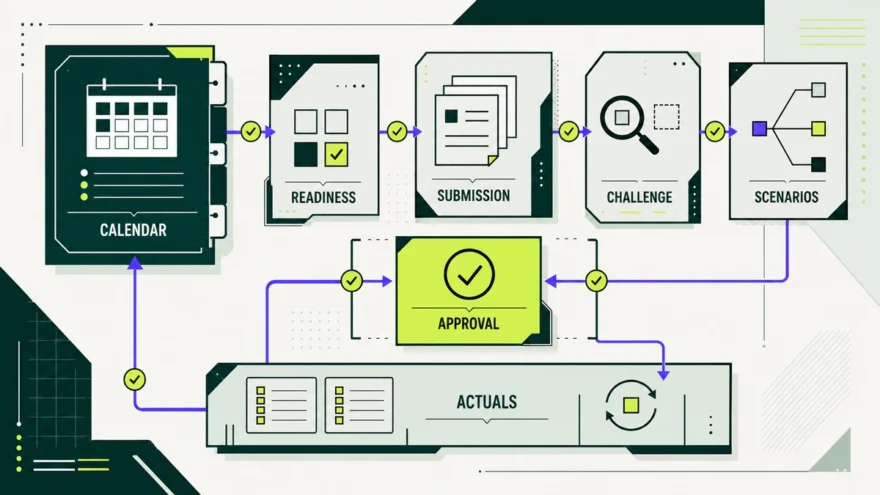
A stage-by-stage framework for governing planning inputs, owners, challenge rounds, scenarios, approvals and the handoff from closed actuals into the next forecast.
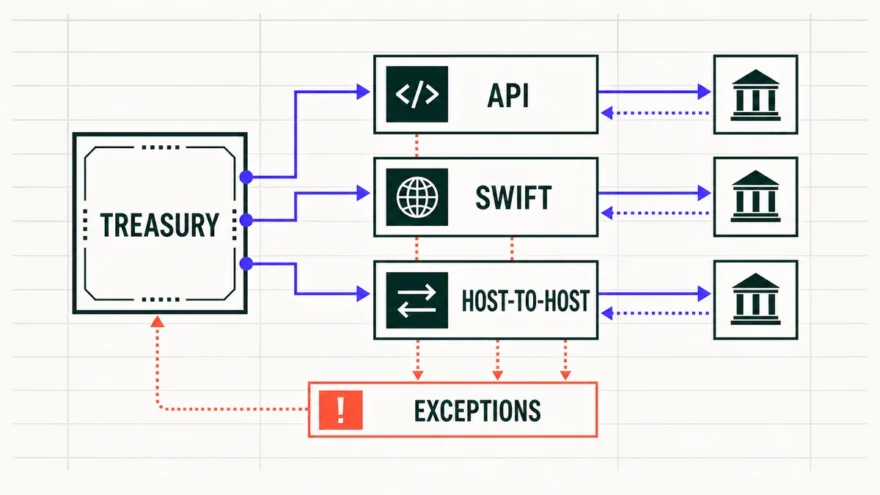
A practical architecture guide for assigning balances, statements, payments, acknowledgements and exceptions to the right bank-connectivity channel.
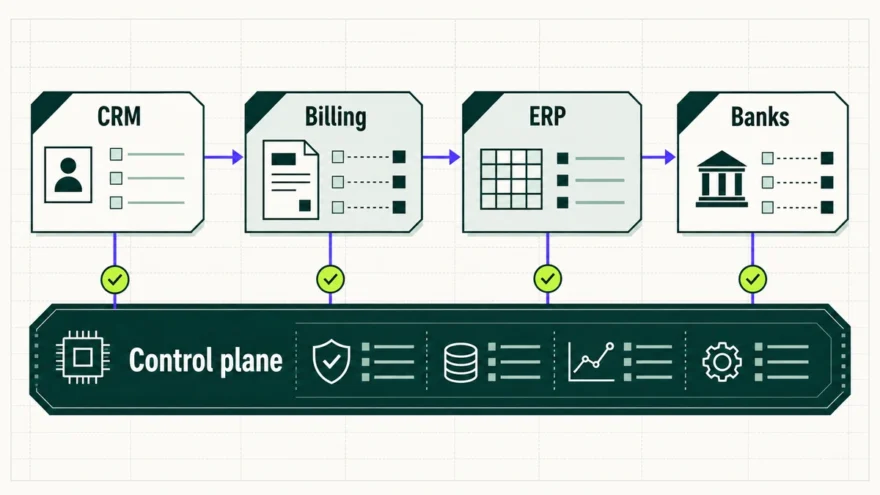
A practical operating map for assigning system-of-record ownership, interface timing, retries, reconciliation and monitoring across finance platforms.
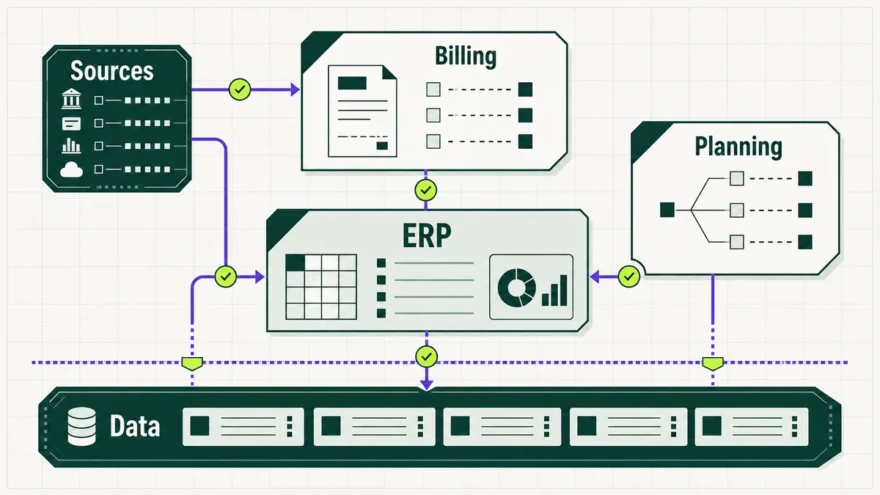
Define which systems should own accounting actuals, plans, invoices, cash, reporting and finance data with a practical layer map and boundary matrix.
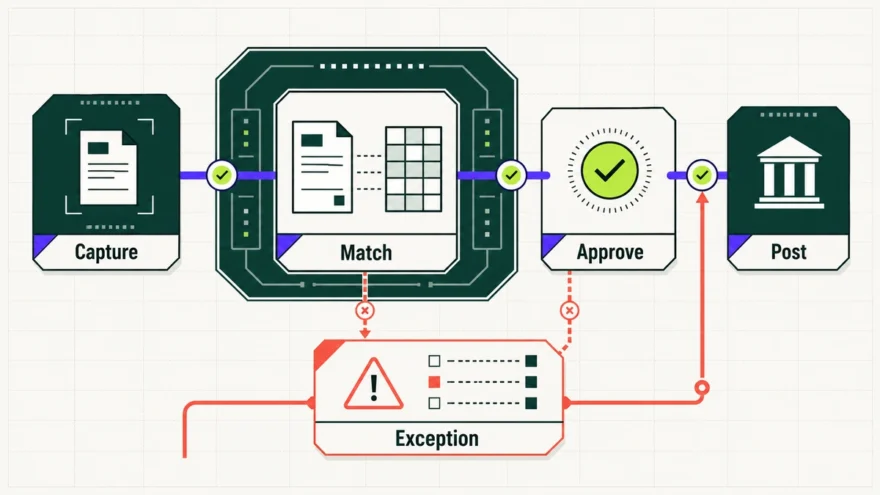
A control-led map for deciding which AP invoice stages can run automatically, where processing must stop, and what evidence reviewers need.
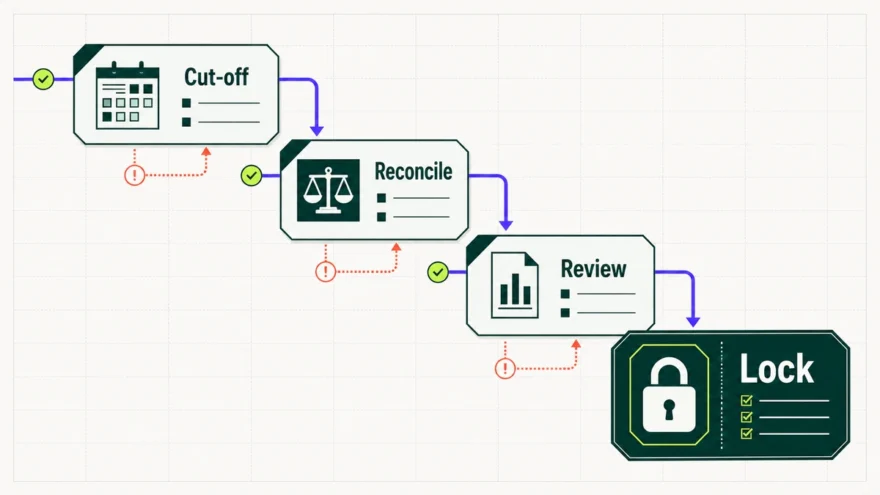
A controller’s operating guide to sequencing the close, defining evidence, assigning review authority and escalating exceptions before the period is locked.
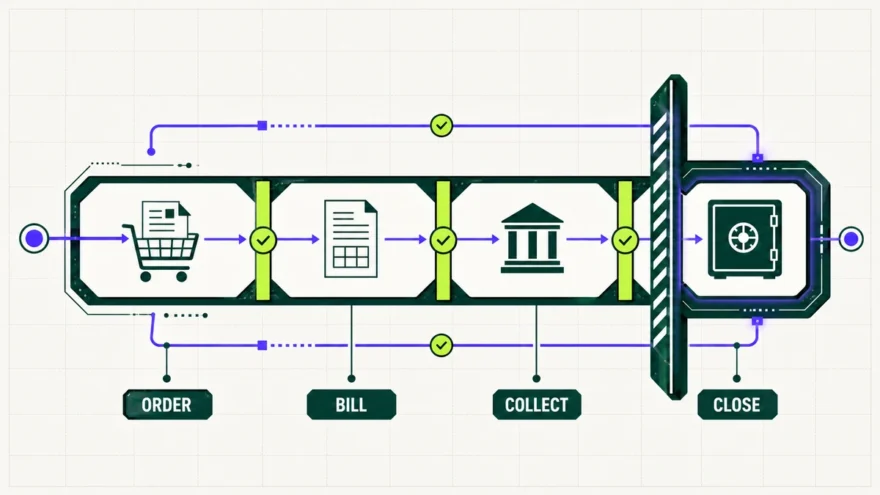
A control-first operating map from accepted order through billing, collections, cash application and the final receivables-to-close handoff.
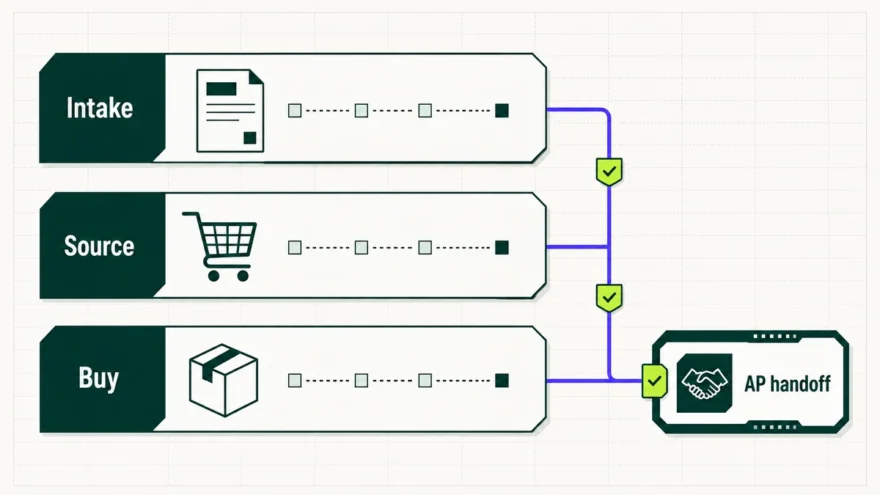
A practical operating model for assigning ownership, system authority, control evidence and the formal handoff from procurement to accounts payable.
A decision framework for testing source coverage, supplier identity, taxonomy, classification, duplicates, refresh and controls before procurement relies on spend analysis.