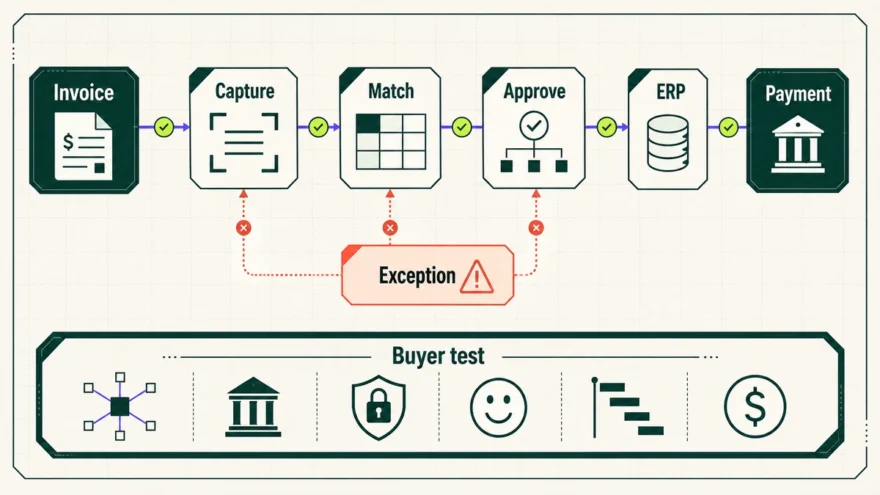
Procure-to-Pay Software: How to Evaluate P2P Platforms
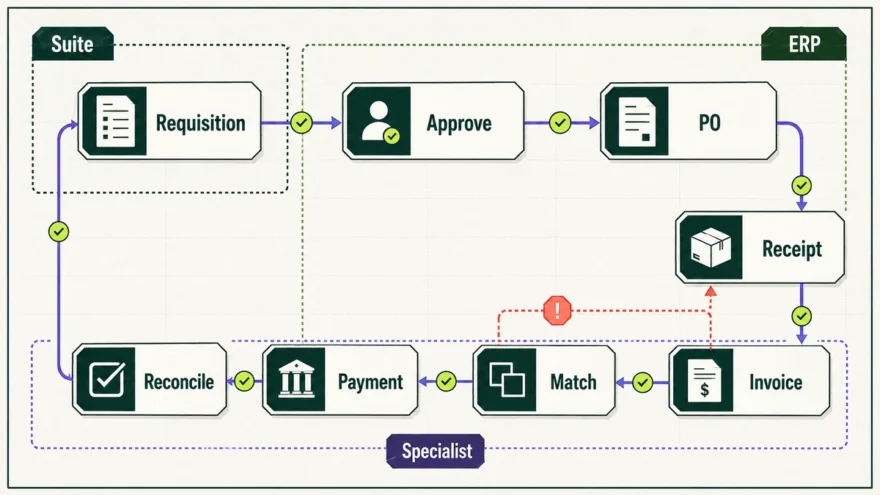
A finance-led guide to procure-to-pay software scope, workflow coverage, controls, product architectures and implementation evidence for a defensible shortlist.
16 min read
Read article

Mayank Jain is a finance operations researcher and editor at Finance Circuit. He holds a Bachelor of Commerce degree and has more than four years of experience at a B2B SaaS and lead-generation company. His work focuses on the systems, workflows, evidence and technology behind finance-team decisions.
A finance-led guide to procure-to-pay software scope, workflow coverage, controls, product architectures and implementation evidence for a defensible shortlist.
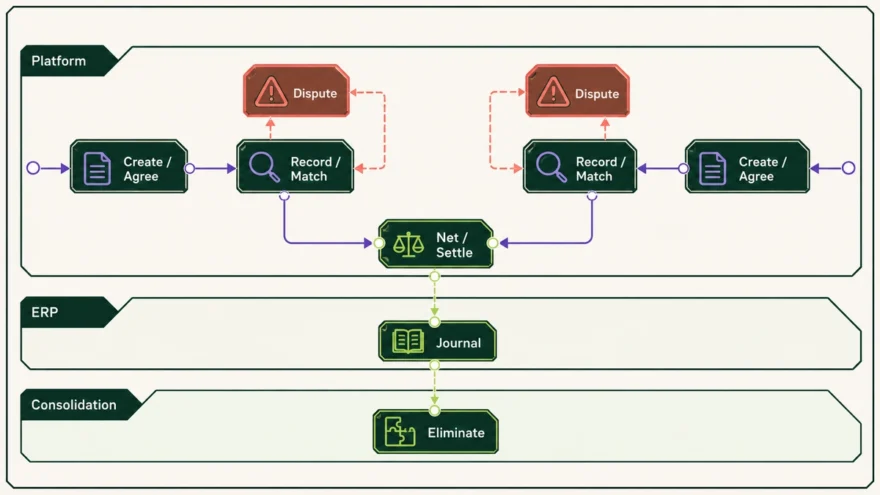
A control-first guide to choosing intercompany technology across transaction creation, counterparty agreement, matching, disputes, settlement, journals, integrations and eliminations handoff.
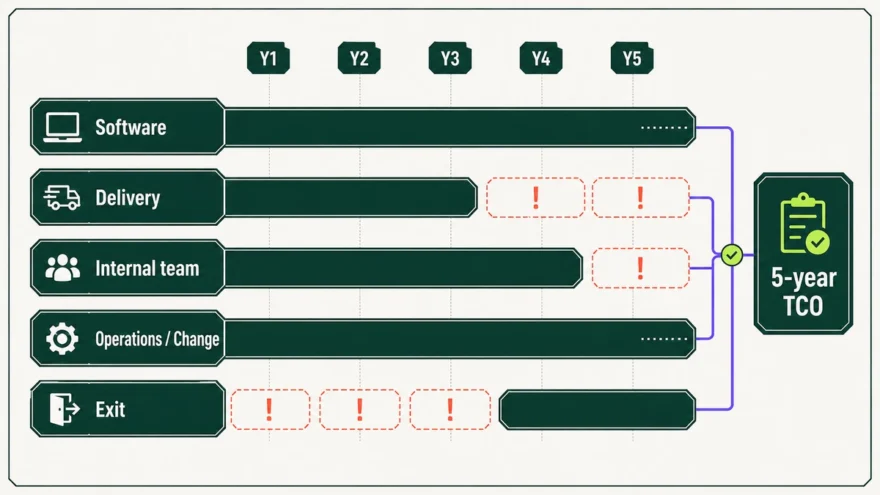
A finance-led guide to ERP pricing, implementation, internal effort and five-year ownership, with a copyable cost model for comparable vendor quotes.
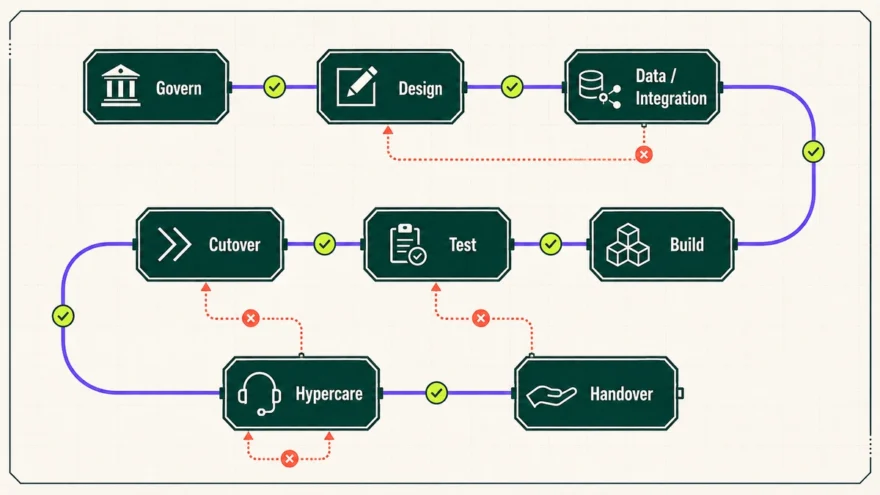
A phase-by-phase ERP implementation checklist for finance leaders, with accountable owners, required evidence and exit conditions from design through handover.
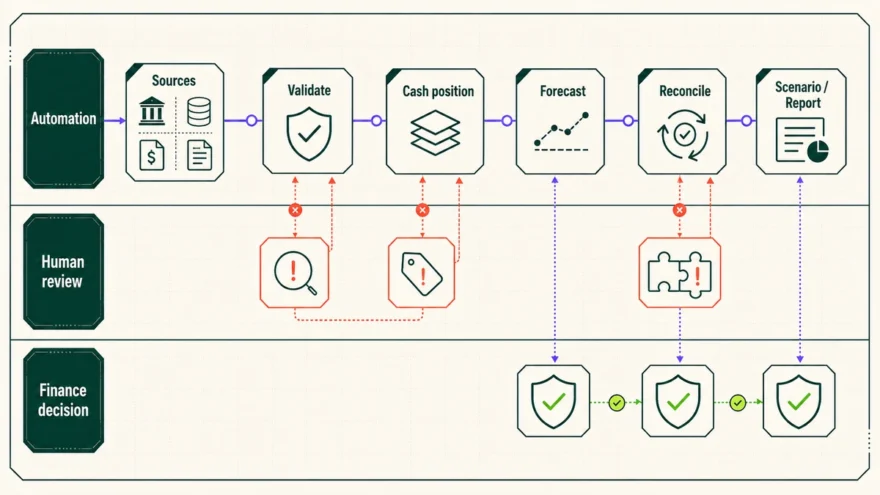
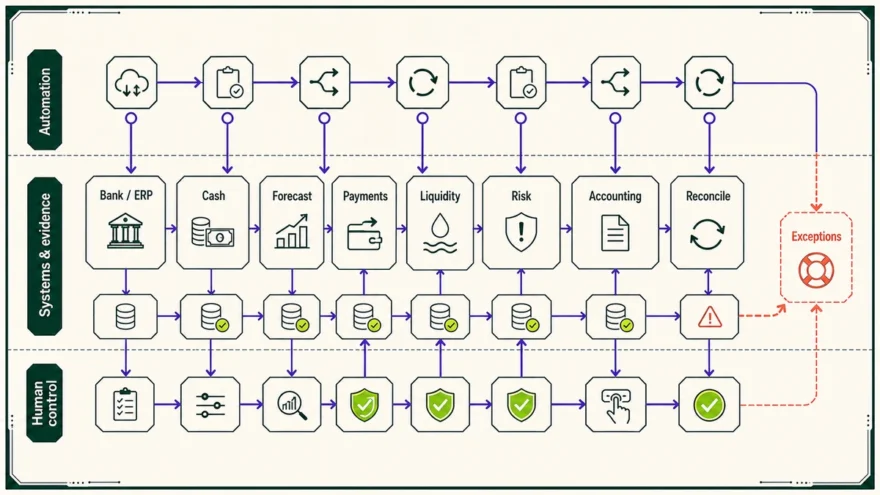
A control-led guide to automating the cash-data and forecasting chain, from bank and ERP feeds through positioning, refreshes, exceptions and reporting.
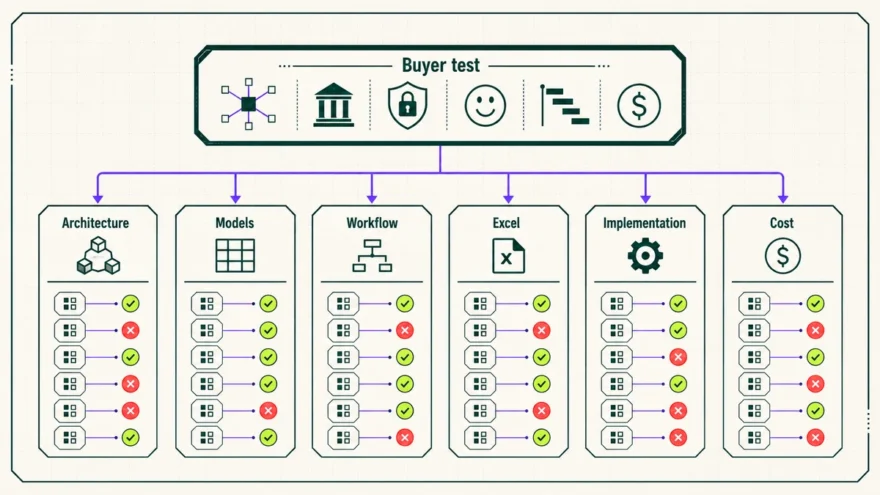
A neutral, official-source comparison of nine FP&A platforms, with buyer tests for architecture, model ownership, workflow, Excel, implementation and total cost.
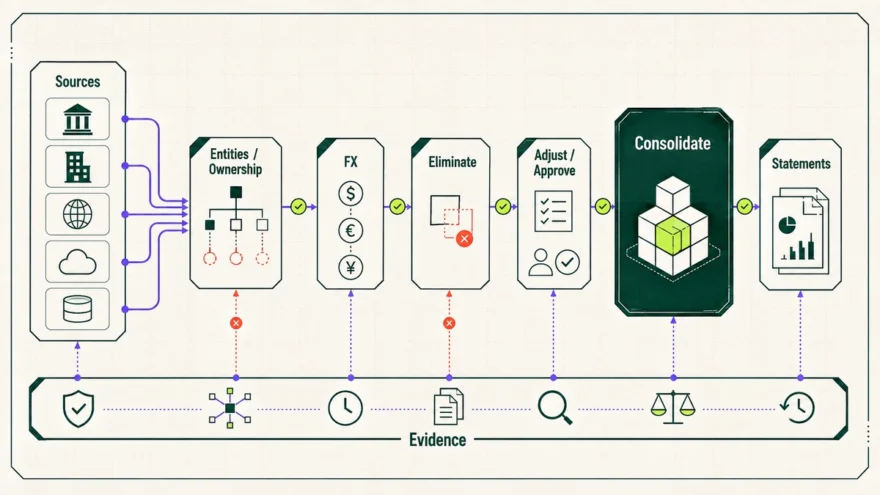
A neutral comparison of financial consolidation products, documented capability and buyer-run proof cases across data, ownership, FX, eliminations, controls and reporting.
Compare complete AP platforms across capture, matching, approvals, supplier experience, payments, ERP fit, controls, implementation and pricing.
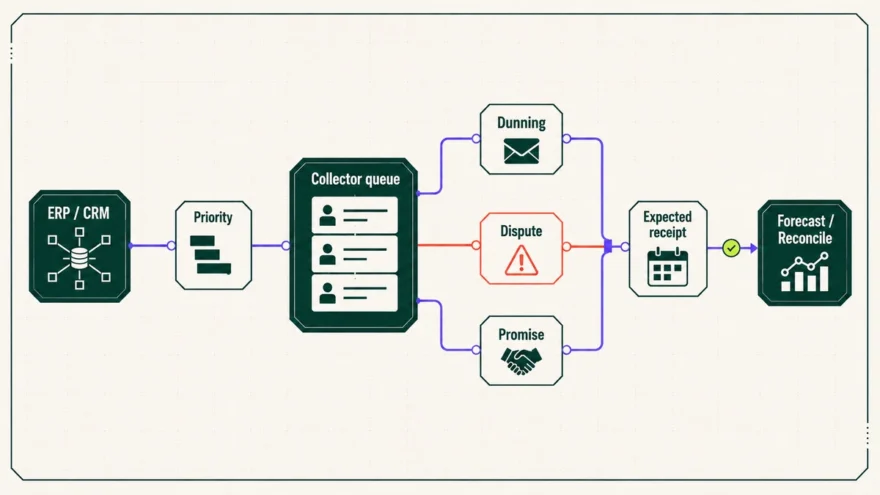
A finance-led guide to selecting collections software through work queues, dunning, disputes, promises, portals, integrations, reporting and control tests.
A corporate treasury workflow guide to bank data, cash, forecasting, payments, liquidity, risk, accounting, controls, systems and implementation.